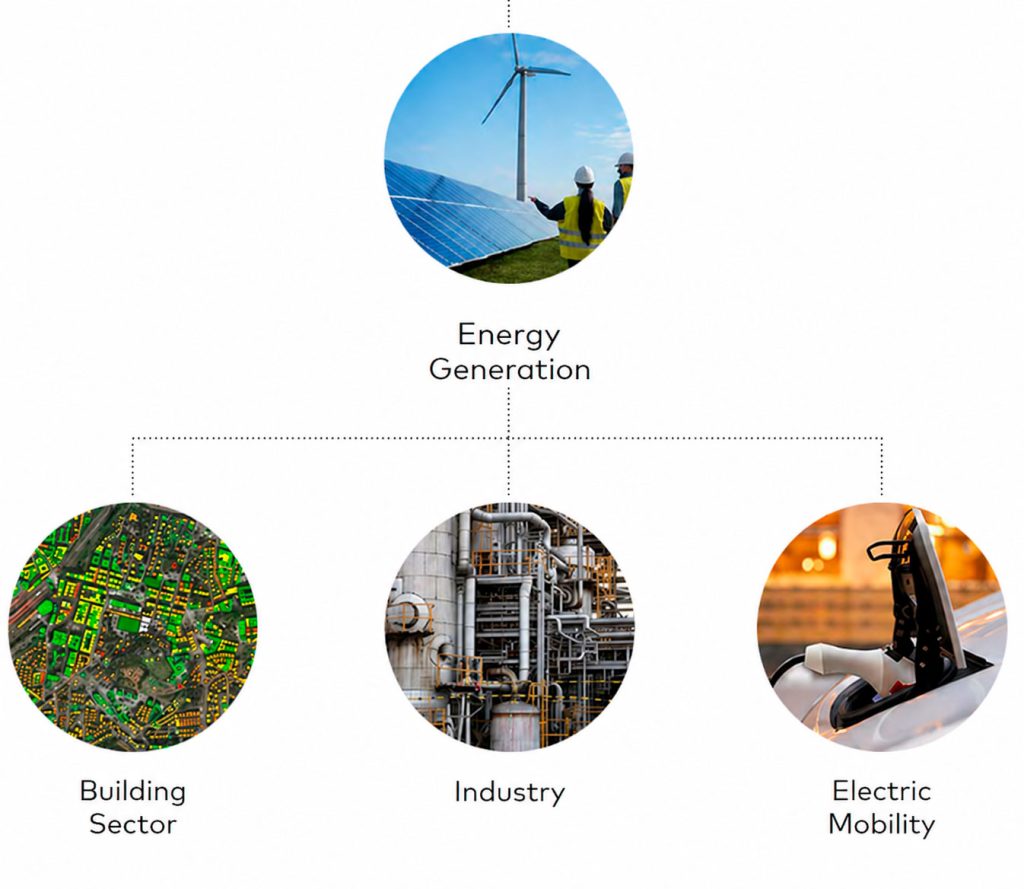
RESEARCH AREAS

The Joint Research Laboratory on Energy Planning (JRL ePLAN) focuses on the development of advanced methodologies, models and tools to support energy planning and decision-making in the context of the energy transition. Its research activity is structured around the following interconnected research areas:

Integrated Energy and Socioeconomic Assessment of the Energy Transition
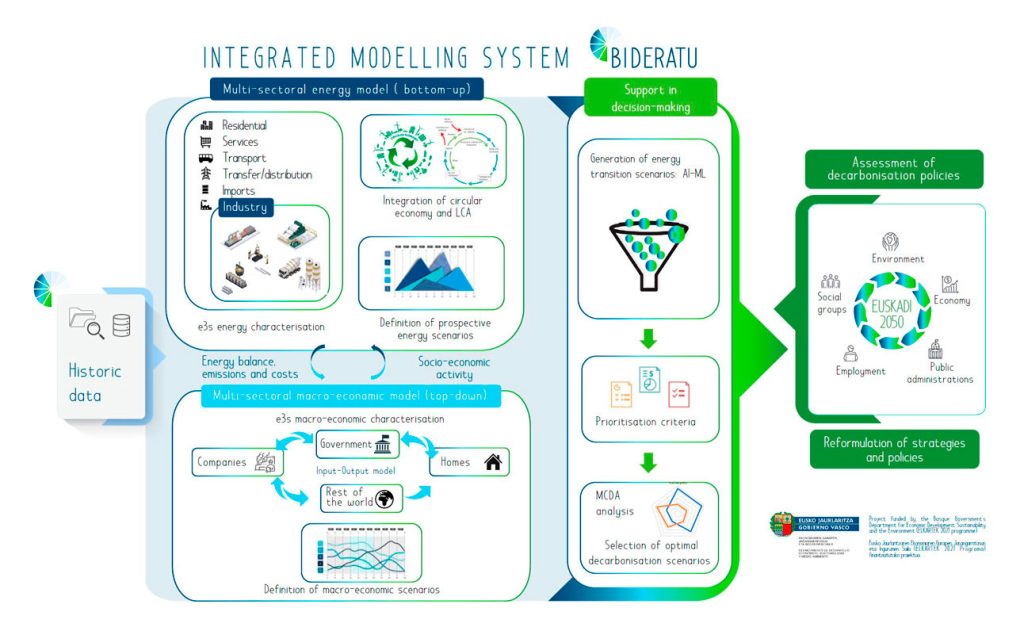
This research area addresses energy transition processes at local, regional and national scales, combining energy system modelling with socioeconomic analysis. The objective is to assess the energy, environmental, economic and social impacts of different transition pathways, supporting evidence-based strategies for decarbonisation and sustainable development.

Energy and Socioeconomic Diagnostics of Energy Systems
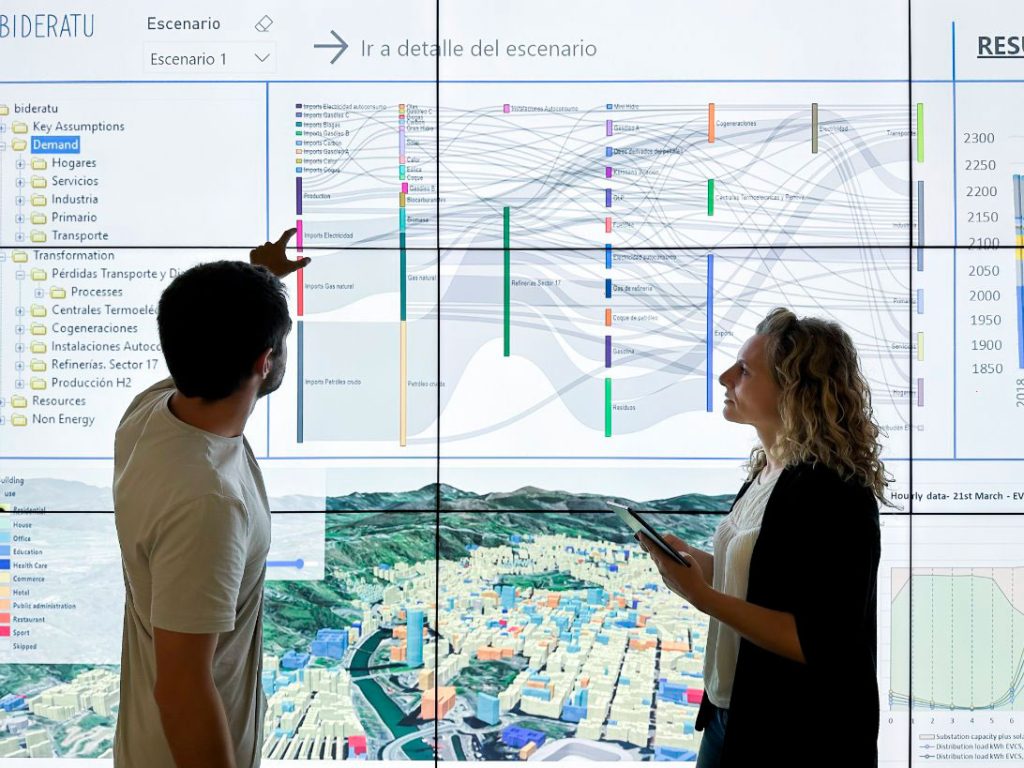
JRL ePLAN develops diagnostic frameworks for the analysis of complex energy systems across multiple dimensions:

  • Multiscale energy systems
  • Multisectoral energy systems
  • Multivector energy systems

This line focuses on understanding the current structure, performance and interactions within energy systems as a basis for robust planning and scenario analysis.

Integrated Planning of Energy Infrastructure
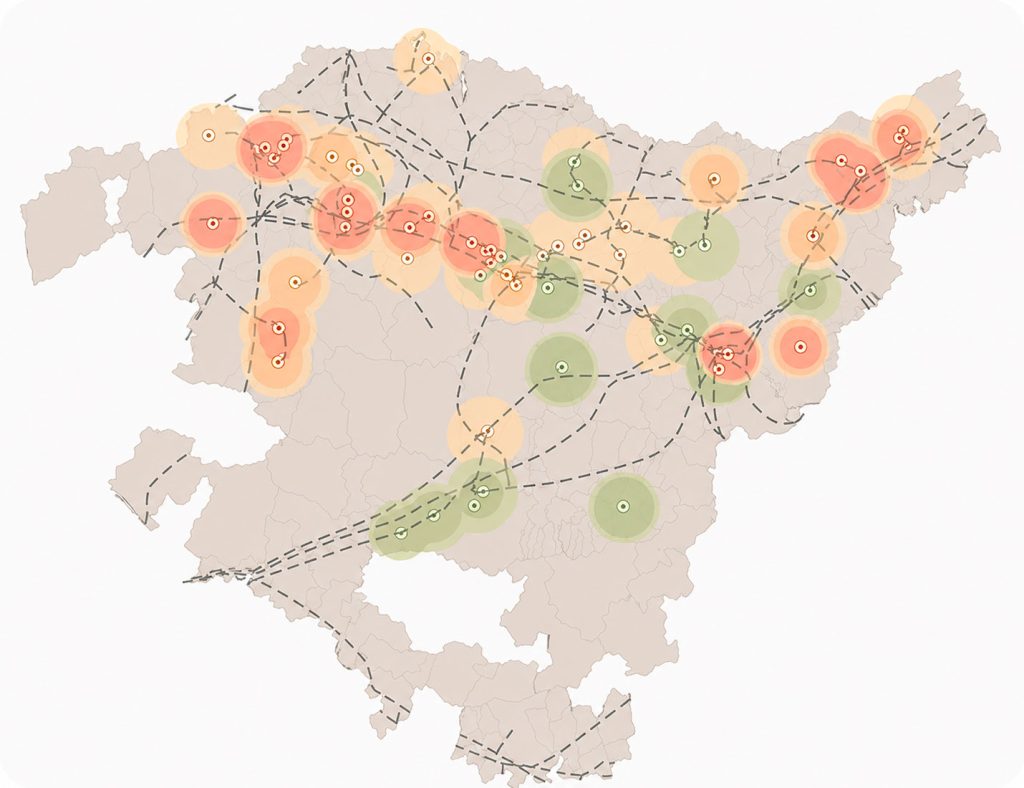
This research line addresses the integrated planning and assessment of energy infrastructures required for the energy transition, including:

  • Electricity infrastructure
  • Heating and cooling networks
  • Gas infrastructure
  • Hydrogen infrastructure

The objective is to analyse infrastructure needs, constraints and synergies across energy vectors, supporting coordinated and efficient infrastructure development.

Innovative Energy Technologies

This area focuses on the assessment of emerging and innovative energy technologies from a system perspective, including:

  • Analysis of the deployment potential of mitigation technologies
  • Design of optimal technology mixes
  • Evaluation of technical, economic and system viability

The research supports strategic decisions on technology selection and prioritisation within long-term energy planning frameworks.

Prospective Analysis and Scenario Generation
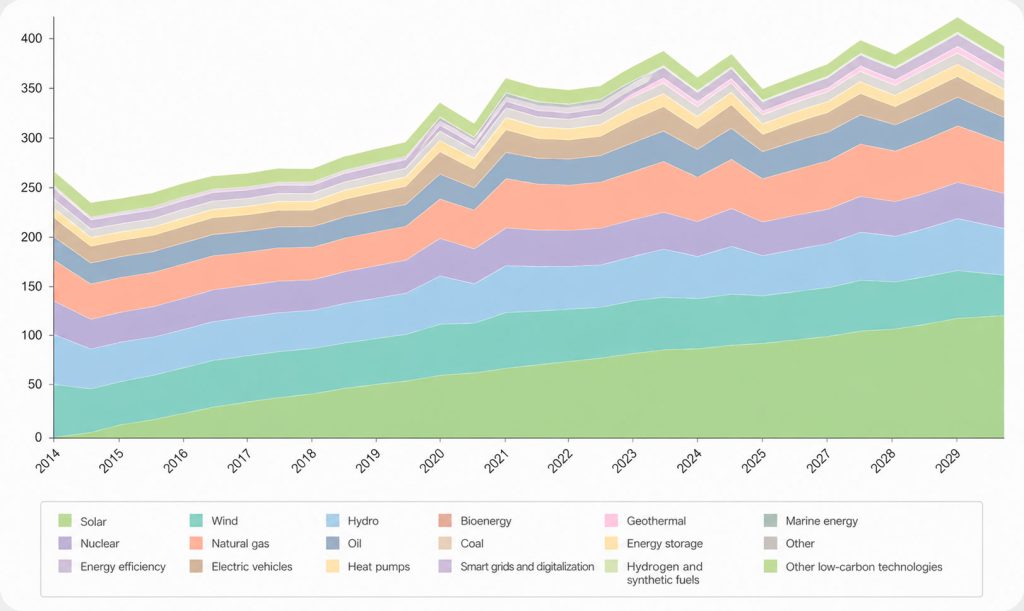
JRL ePLAN develops tools and methodologies for long-term prospective analysis, including:

  • Scenario generation under different assumptions and boundary conditions
  • Assessment of impacts associated with alternative energy transition pathways

This line provides quantitative insights to support strategic planning, policy design and investment decision-making.

Energy Economics

This research area focuses on the interaction between energy systems, markets and society, including:

  • Electricity market analysis and price formation
  • Market regulation and policy frameworks
  • Energy–society interactions

The objective is to understand economic drivers and regulatory conditions shaping energy system evolution and to assess their implications for planning and policy.

Decision-Support Tools for Energy Planning
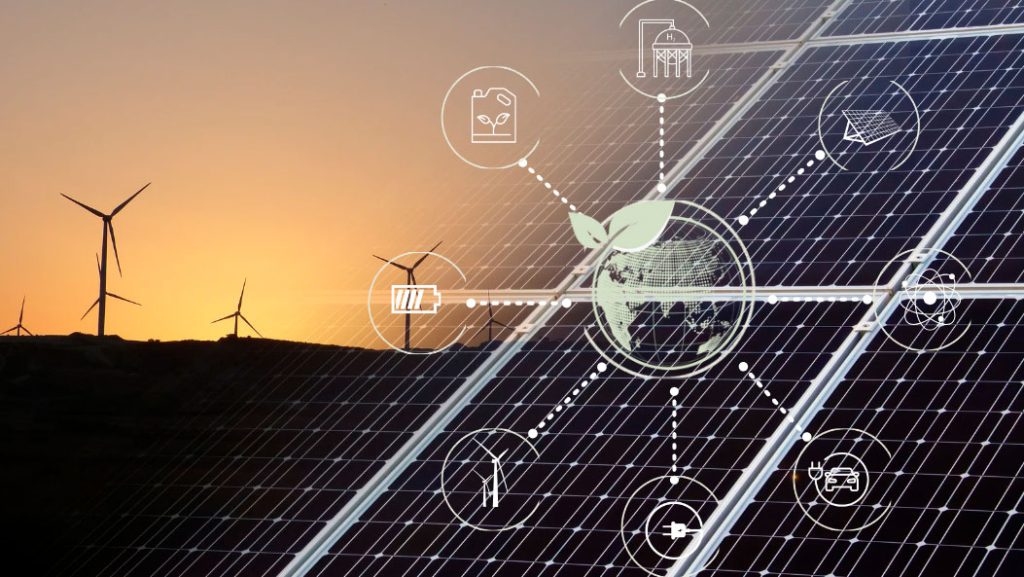
JRL ePLAN develops advanced decision-support tools to assist public authorities, regulators and other stakeholders, including:

  • Multicriteria impact assessment tools
  • Tools supporting the definition and evaluation of energy policies
Geological Foundations for Sustainable Energy and Infrastructure Planning
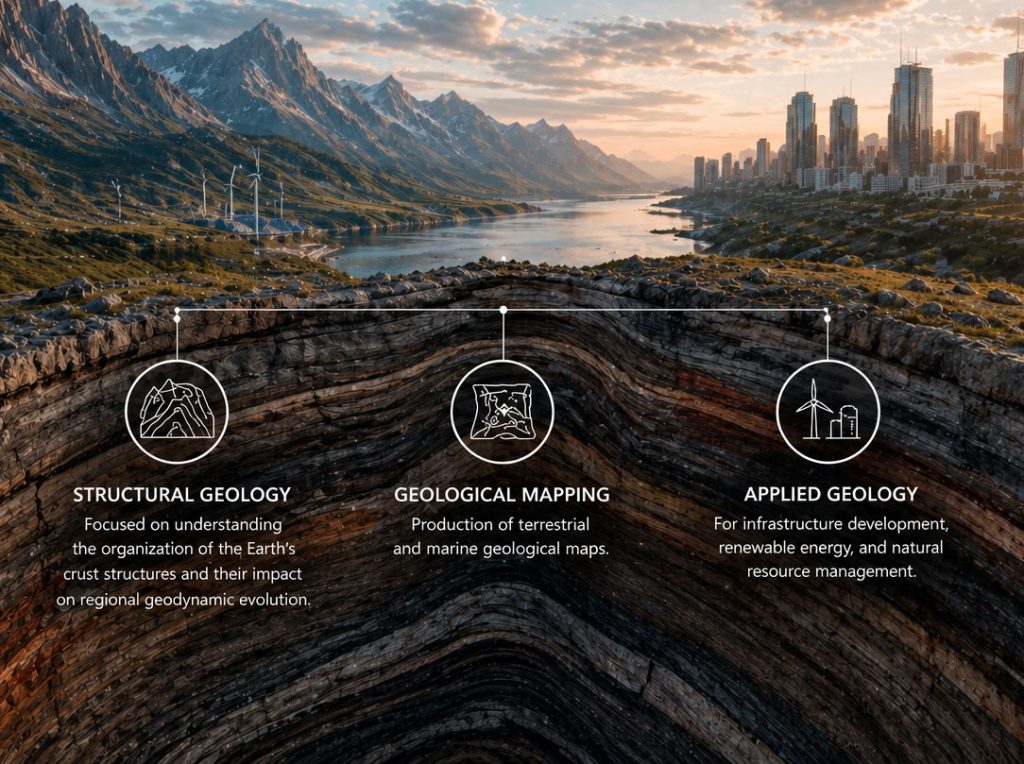
  • Structural geology: focused on understanding the organization of the Earth’s crust structures and their impact on regional geodynamic evolution.
  • Geological mapping: production of terrestrial and marine geological maps.
  • Applied geology: for infrastructure development, renewable energy, and natural resource management.